Latin American Art in Houston: A Quiet Capital
Latin American art in Houston: the MFAH, Revolver Galeria, and a growing case that this is the U.S. capital.
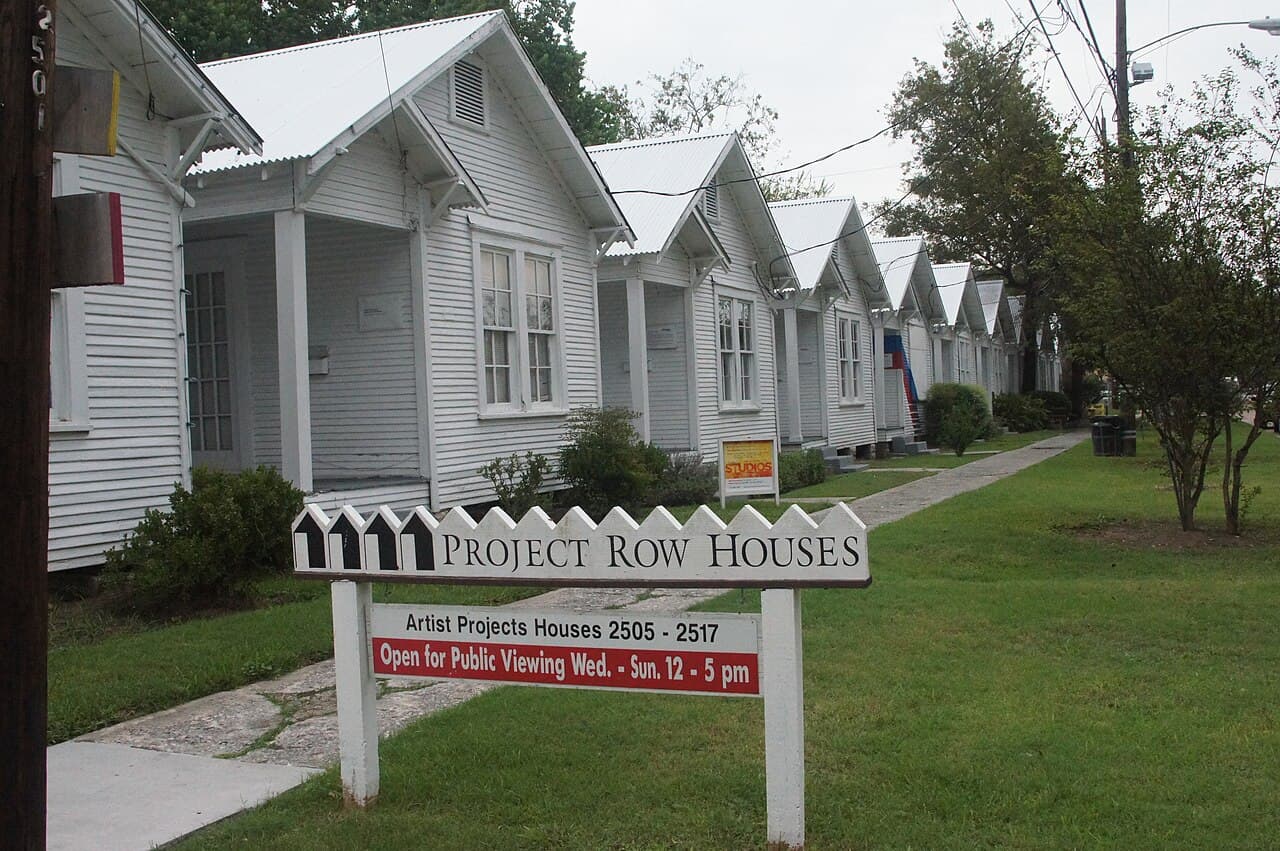
Hourick · CC BY 3.0
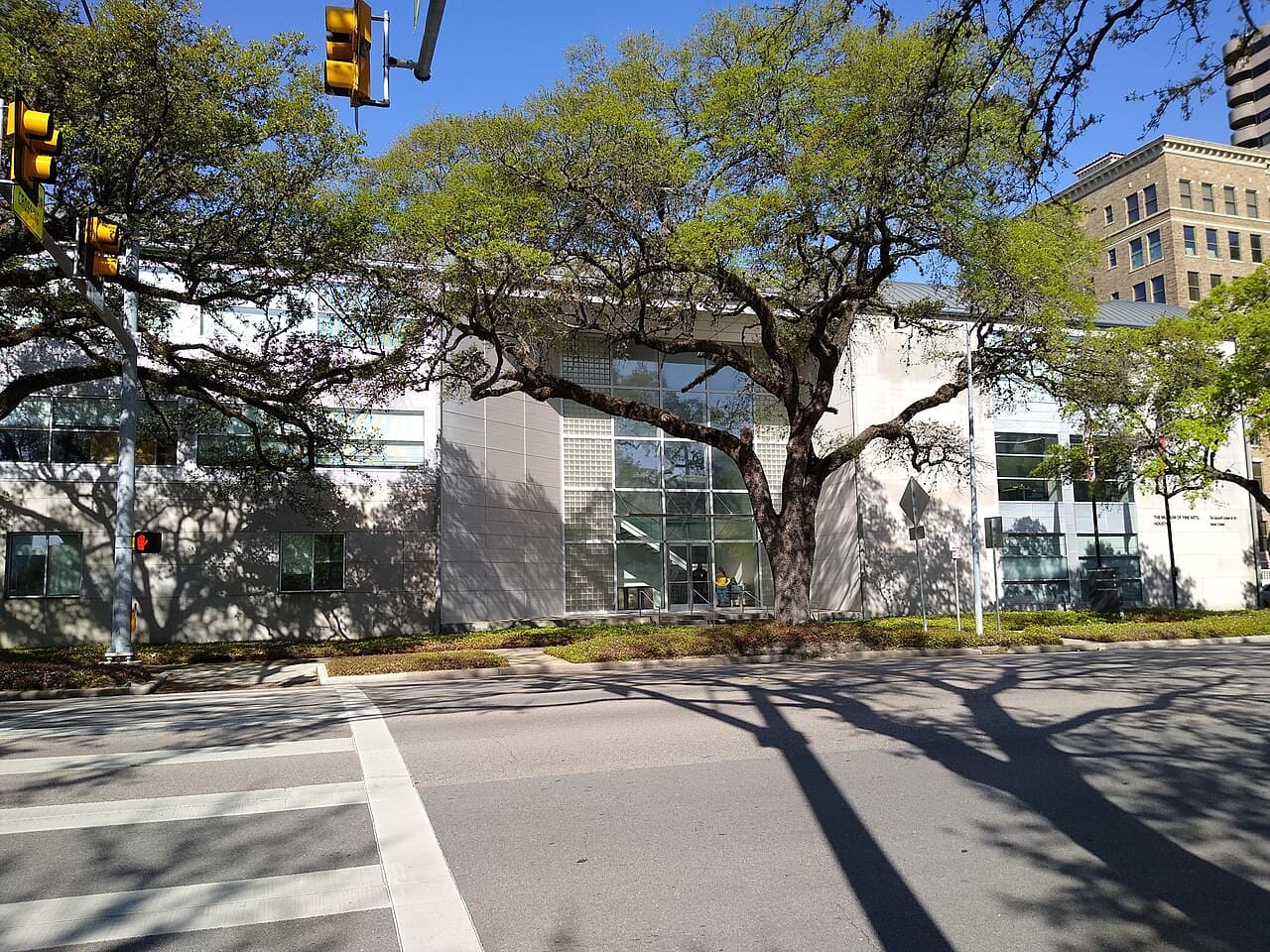
Here is a fact that still surprises people outside of Texas: the Museum of Fine Arts, Houston has one of the most important Latin American art programs in the Western Hemisphere. Not one of the best in the U.S. — in the hemisphere.
Since the Latin American Art Department was established in 2001 under curator Mari Carmen Ramírez, the MFAH has acquired over 400 works by major modern and contemporary Latin American and Latino artists. Its research arm, the International Center for the Arts of the Americas (ICAA), has digitized primary source documents from sixteen cities across Latin America and partnered with Yale University Press on a thirteen-volume series of critical texts. No other American museum has invested at this scale.
But the MFAH is just the institutional anchor. Houston's Latin American art ecosystem extends far beyond the museum walls, and in 2026, it's more alive than ever. Glasstire has tracked this shift for years and now covers Latin American programming in Houston as a regular beat rather than a special-interest story.
Revolver Galeria, which opened this spring at the former Texas Gallery space on Peden Street, arrived in Houston with a program rooted in Latin American contemporary art and international circulation. Its inaugural show "Nomos" — curated by Cuban-born artist Reynier Leyva Novo — brought together artists from Peru, Mexico, Cuba, and the U.S. to interrogate how territory becomes identity. The gallery has shown at Art Basel and is now positioning Houston within a transnational discourse that most American cities can't access. More about Revolver Galeria and the Nomos show. The curator behind it, Megan Olivia Ebel, also runs RUBY Projects — her full profile here.
Serrano Gallery takes a different approach — exhibiting works by contemporary Mexican artists working in Oaxaca, including Rolando Rojas, Didier Mayés, and Ixrael Montes. It's a direct pipeline from Southern Mexico to Houston collectors, bypassing the New York gatekeepers entirely.
The connection to Mexico City runs deeper than individual galleries. In 2015, the Texas Contemporary Art Fair mounted "The Other Mexico," a survey of seven cutting-edge Mexico City galleries and artist-run spaces. Over 13,000 people attended. In subsequent years, Houston collectors began prioritizing Mexico City's Zona Maco and Material Art Fair over New York's Armory. The collectors were ahead of the curators, as usual.
Then there's "Frida: The Making of an Icon," the MFAH exhibition that ran January through May 2026 and featured more than 30 Kahlo works alongside 120 pieces by five generations of artists she inspired. The show didn't just draw crowds — it confirmed that Houston's appetite for Latin American art isn't limited to the collector class. This is a city where over 45% of the population is Hispanic or Latino, where Spanish is the first language in more homes than English, and where the connection to Mexico and Central America isn't academic. It's personal.
Miami has Art Basel. New York has the market infrastructure. But Houston has something neither of those cities can manufacture: a genuine cultural bridge to Latin America, built by immigration, proximity, and three decades of institutional investment. And in 2026 — with Revolver Galeria on Peden, the MFAH's Latin American program deeper than ever, and Untitled Art Fair bringing 95 international galleries to town in October (our 2025 recap) — the case is getting harder to argue against.
Houston may not want the crown. But it's wearing it.