Untitled Art Houston 2025 Recap: What Happened
The inaugural Untitled Art Houston put the city on the fair circuit. Here's what went down and what it means for 2026.
Jacklee · CC BY-SA 3.0
Nobody was sure it would work. When Untitled Art announced its inaugural Houston edition for October 2025, the skepticism was reasonable. Houston had never hosted a major international art fair. The city's collector class was deep but private — wealthy families who flew to Art Basel Miami and Frieze London rather than expecting the fair to come to them. The venue, POST Houston, was a converted post office that had never staged anything at this scale. And the art fair business itself was in a period of contraction, with smaller fairs folding and even established ones struggling with rising costs and gallery fatigue.
Then the doors opened, and the doubts evaporated.
## What Happened
The inaugural Untitled Art Houston ran October 3-5, 2025, with a VIP preview on October 2, at POST Houston — the massive mixed-use development in the former Barbara Jordan Post Office downtown. Eighty-four galleries from 18 countries participated, making it the largest debut fair in the United States since Art Basel Miami Beach launched in 2002. The scale alone was a statement: this was not a tentative pilot program. It was a full-scale international fair that arrived in Houston fully formed.
The gallery roster established immediate credibility. Half Gallery from New York, one of the art world's most closely watched young programs, showed ambitious solo presentations. Galleries from Mexico City, São Paulo, London, Berlin, and Tokyo filled booths alongside established American dealers. The Latin American presence was particularly strong — not surprising given Houston's position as the closest major American city to Mexico City and the depth of the MFAH's Latin American art program, one of the most significant in the Western Hemisphere.
## The Sales
Art fair organizers are notoriously cagey about sales figures, and Untitled Houston was no exception. But the evidence was visible. Red dots appeared on walls within the first hours of VIP preview. Gallery directors reported multiple sales in the five-figure range and several in the six-figure range. Several booths were effectively sold out by the end of the first public day. The collector turnout — both local Houston buyers and out-of-town visitors — exceeded what most participating galleries had projected.
Houston's collector base proved to be exactly what insiders had long claimed: serious, informed, and willing to buy. The city's quiet tradition of private collecting — families who have been building major collections for decades without the public visibility of New York or Los Angeles collectors — translated into purchasing power that caught some out-of-town galleries off guard. Dealers who had expected to "test the market" found themselves scrambling to replenish inventory.
## The Critical Reception
Glasstire called it "the most significant new art fair to hit Texas in a decade." Artforum covered it. ARTnews ran a feature. CultureMap Houston tracked every gallery announcement and opening-night moment. The international art press, which had been cautiously curious, shifted to genuinely impressed. The consensus was that Houston had pulled off something that many art-world observers considered unlikely: a successful debut fair that felt neither provincial nor overreaching.
The curatorial model — emphasizing solo and two-artist presentations over the chaotic multi-artist booth format that dominates larger fairs — drew particular praise. When a booth shows one artist deeply rather than sampling six, the conversation changes. Collectors engage with bodies of work rather than individual objects. The fair felt more like walking through a series of gallery shows than navigating a trade-show floor.
## What It Meant for Houston
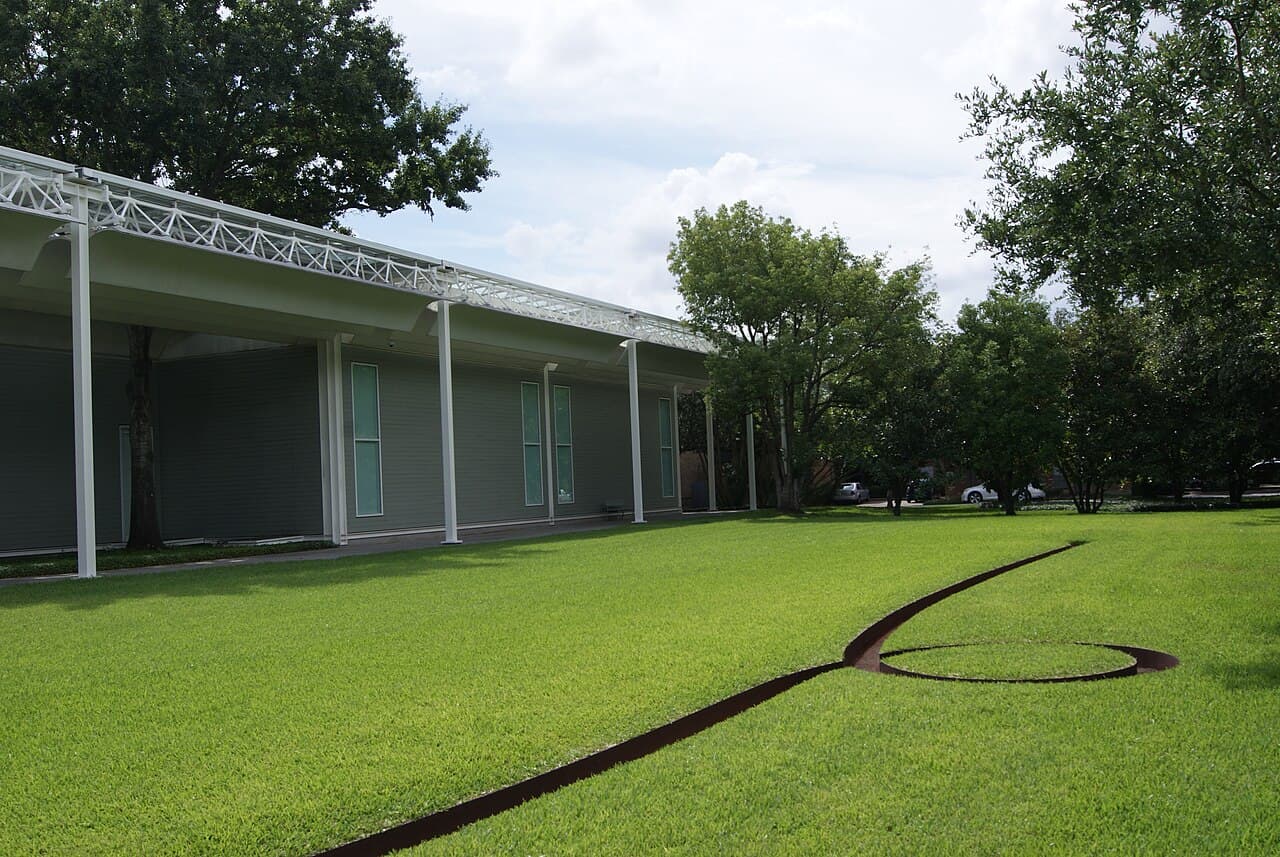
The inaugural Untitled Art Houston did something that no single gallery opening, museum exhibition, or cultural initiative could have accomplished alone: it placed Houston on the international art fair circuit. The city already had the institutional infrastructure — the Menil, CAMH, the MFAH, Project Row Houses, Sawyer Yards. It had the collector base. It had the galleries — from Inman Gallery to the newly arrived Revolver Galeria. What it lacked was the annual event that brings the international art world to town in concentrated form. Untitled provided that.
The fair also demonstrated something about Houston's relationship to Latin American art that insiders had long understood but the broader art world hadn't fully grasped. Houston's demographics — over 44% Hispanic or Latino — create a collector base that doesn't just appreciate Latin American art as an exotic category but understands it as part of their lived culture. Galleries specializing in work from Mexico City, São Paulo, Bogotá, and Buenos Aires found buyers who didn't need to be educated about the context. They already lived in it.
## The Local Impact
For Houston-based artists, the fair created visibility that didn't exist before. Local galleries that participated reported increased traffic in the weeks following the fair. Artists who showed at Untitled found their work reaching international curators and collectors who might never have visited their studios otherwise. The fair's commitment to including a local artist market alongside the international booths ensured that the economic benefits weren't limited to out-of-town dealers.
The satellite programming — gallery openings across Montrose and the Museum District, museum events timed to fair week, collector dinners, and artist talks — transformed the first week of October into the most concentrated period of art-world activity Houston had ever experienced. Hotels in the Museum District and Montrose filled. Restaurants near the fair venue reported their best weeks of the year.
## What Comes Next
The 2026 edition arrives October 2-4 with higher stakes and bigger ambitions. The event moves to the George R. Brown Convention Center — Houston's 1.8-million-square-foot convention behemoth on Discovery Green — to accommodate a larger roster: 95 galleries from 20 countries, up from 84. New exhibitors include Anton Kern Gallery (New York), Nara Roesler (São Paulo), Night Gallery (Los Angeles), and Richard Saltoun (London). The Nest sector for emerging galleries expands. The institutional partnerships deepen. Texas is now the fourth-largest state nationally for art transactions over $1 million, a trajectory that Untitled's presence both reflects and accelerates.
The satellite programming promises to be even more ambitious than the inaugural year. Museum openings across the Museum District will be timed to fair week, with the MFAH, CAMH, and the Menil all planning special events. Gallery openings across Montrose, pop-up exhibitions in EaDo, collector dinners, and artist talks will again transform the first weekend of October into the most concentrated period of art-world activity Houston has ever seen.
The question is no longer whether Houston can support a major art fair. The 2025 edition answered that definitively. The question now is whether Untitled Houston can sustain the momentum and establish itself as a permanent fixture on the global calendar — alongside Art Basel Miami in December, Frieze London in October, and the Dallas Art Fair in April. The early evidence says yes. The collectors are here. The infrastructure is here. And the art world, for the first time, is paying attention to Houston not as a regional curiosity but as a legitimate market.