Marfa on a Budget: The $200-a-Day Art Trip
Marfa doesn't have to be expensive. How to see Chinati, Ballroom, and the Judd Foundation without breaking the bank.
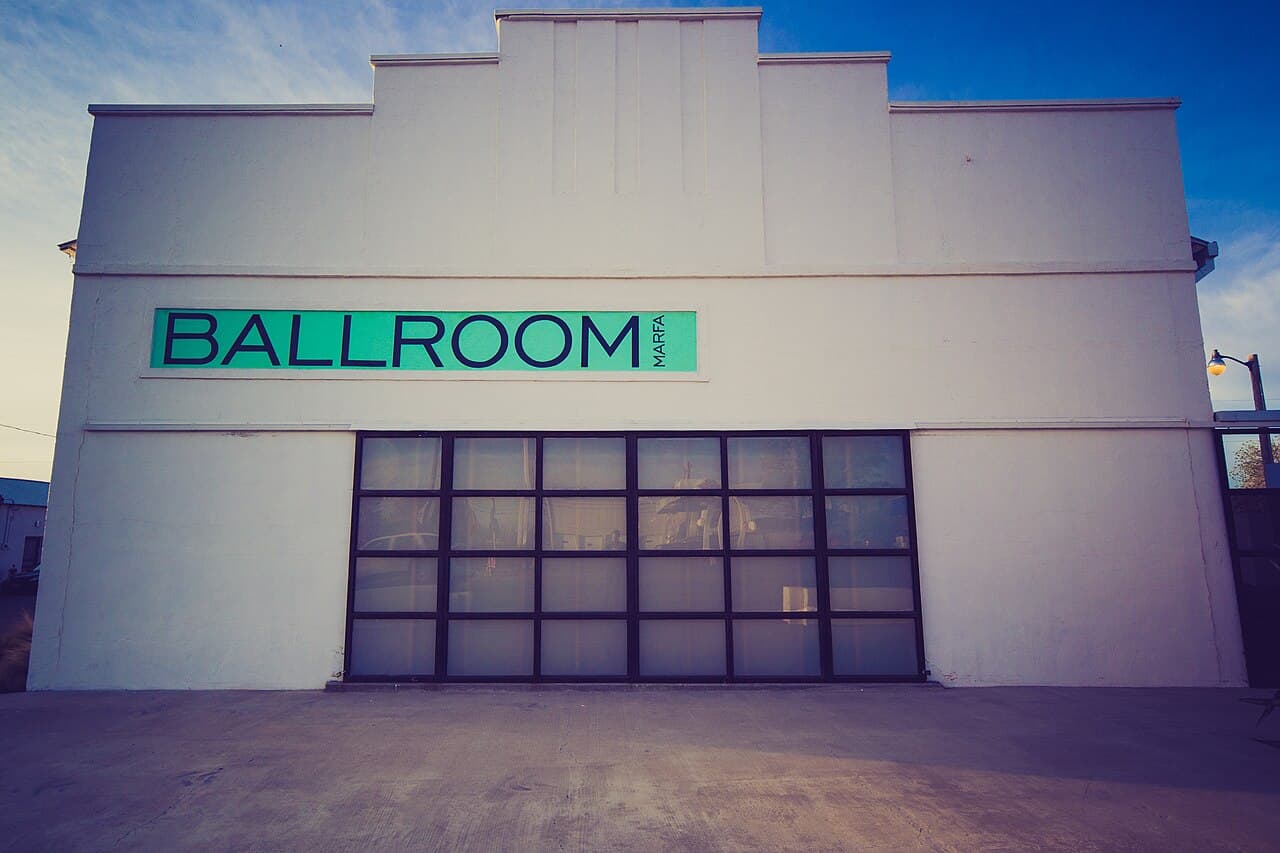
Nan Palmero from San Antonio, TX, USA · CC BY 2.0
Marfa has a reputation problem. The Instagram crowd and the design magazines have turned a town of 1,700 people into something that sounds like a luxury destination — $400 hotel rooms, $45 entrees, curated everything. And yes, you can spend that kind of money here. But you don't have to. The art that makes Marfa worth visiting doesn't care about your budget. Donald Judd's aluminum boxes look exactly the same whether you drove in from a $350-a-night hotel or a $30 campsite. The desert light doesn't check your credit card.
Here's how to do Marfa right for roughly $200 a day — including accommodation, food, and the art itself.
## The Free Stuff (And There's a Lot of It)
Start with what costs nothing, because the list is longer than most people realize.
Ballroom Marfa is free. Always has been. The converted 1927 dance hall on San Antonio Street hosts some of the most adventurous contemporary art programming in Texas, and admission is zero dollars. The current show, "Los Encuentros," curated by Maggie Adler, features five Latinx artists from across the Southwest. Check ballroommarfa.org for hours.
Prada Marfa is free. The Elmgreen & Dragset installation sits on US-90, 26 miles northwest toward Valentine. Pull over, look at the sealed boutique with its bottomless handbags and right-footed shoes, contemplate the absurdity of luxury in the desert, and drive on. No ticket required, no hours of operation, no gift shop.
The Marfa Mystery Lights viewing platform is free — open 24 hours, 365 days a year, 9 miles east of town on US-90. Go after dinner on a clear night. The unexplained lights don't appear every evening, but when they do, they're genuinely uncanny. Even when they don't, the stargazing from the platform is extraordinary. Marfa sits within the Greater Big Bend International Dark Sky Reserve — 15,000 square miles, the largest in the world. On a clear night, the Milky Way is not subtle.
The town itself is a free gallery. Walk the streets and look at the adobe architecture, the converted military buildings, the way the light changes on surfaces throughout the day. This is what Judd came here for — the light — and it's available to everyone.
## The Ticketed Art (Worth Every Dollar)
Chinati Foundation tours cost $25 for adults, $10 for students. That's it. Twenty-five dollars for a 2-3 hour guided tour of 340 acres of permanent installations — Judd's 100 aluminum boxes in the artillery sheds, Dan Flavin's fluorescent light works in six former barracks, Robert Irwin's "untitled (dawn to dusk)" scrim building, and John Chamberlain's crushed-automobile sculptures. This is one of the greatest bargains in the American art world. Book in advance at chinati.org — tours are limited and fill up, especially on weekends.
Judd Foundation tours of the Block — Judd's personal living and working spaces — run around $20-35 depending on the tour. The Architecture Studio tour is intimate and worth it for anyone interested in how Judd integrated art and daily life. Book at juddfoundation.org.
Total art budget for a full day: roughly $50-60. Compare that to a single ticket at most major museums.
## Sleeping Cheap
This is where the biggest savings happen, because Marfa's hotels are where the prices get steep.
Camping: The cheapest option. Marfa has several campgrounds and RV parks where tent sites run $15-30 a night. The weather is perfect for camping in spring and fall — clear skies, cool nights, the kind of stars you've never seen from a city. Summer is too hot. Winter nights drop below freezing, but if you have the gear, the winter sky is extraordinary.
Alpine: The town of Alpine, 26 miles east, has significantly cheaper hotels and motels than Marfa — rooms in the $80-120 range that would cost $250+ in Marfa proper. The drive is 30 minutes on a straight highway. It's what many Chinati Weekend visitors do when Marfa itself is sold out.
Fort Davis: Twenty-one miles north, even smaller and quieter than Marfa, with budget-friendly accommodations and proximity to the Davis Mountains and the McDonald Observatory. A room here plus the drive to Marfa keeps your nightly cost well under $100.
Airbnb: Inventory is thin but occasionally you'll find a casita or guest house in the $90-130 range, especially midweek and outside of Chinati Weekend (October). Book early.
## Eating Cheap
Marfa's food scene is small, and the fine dining options (Cochineal, LaVenture at the Hotel Saint George) will blow a budget day. But the affordable options are genuinely good.
Marfa Burritos (112 S Highland Ave) is the essential stop. The Gordo burrito — beans, cheese, chorizo, potatoes — runs around $8-10 and will carry you through a full morning of art. Lines form early. Cash-friendly.
Big Bend Coffee Roasters (110 W San Antonio St) for organic, small-batch coffee that's legitimately great. $4-6 for a coffee.
Bordo (200 S Abbott St) does Italian deli sandwiches from wood-fired bread and seasonal gelato. A sandwich and gelato for under $15.
Get Wurst has bratwurst and German-style sausages at food-truck prices. Planet Marfa has drinks at bar prices, not hotel-bar prices, with an outdoor patio under the stars.
Pack snacks from the grocery store for the road and between meals. The single Marfa grocery store (Porter's) has what you need for basic provisions.
## The $200-a-Day Budget
Here's how it breaks down:
- Accommodation: $30 (camping) to $100 (Alpine motel or budget Airbnb) - Breakfast: $10 (Marfa Burritos or coffee + provisions) - Lunch: $12-15 (Bordo sandwich or taco truck) - Dinner: $15-25 (casual dining or provisions + Planet Marfa drinks) - Art admissions: $25-60 (Chinati tour + Judd Foundation) - Gas: $15-20 (driving between sites, Prada Marfa round trip)
That's $107-230 depending on your choices. Call it $200 as a comfortable daily average that includes the art, decent food, and a roof (or tent) over your head.
## The Budget Itinerary
Day 1: Drive in, set up camp or check into Alpine. Afternoon at Ballroom Marfa (free). Walk the town — the Marfa Book Company on Highland Avenue is free to browse and one of the best bookshops in Texas. Dinner at Marfa Burritos or provisions. Mystery Lights platform after dark.
Day 2: Morning Chinati Foundation tour ($25). This is the main event and worth every penny. Afternoon at Prada Marfa (free, 30-minute drive each way). Coffee at Big Bend Coffee Roasters. Evening stargazing — find any dark spot outside of town and look up.
Day 3: Judd Foundation tour of the Block ($20-35). Lunch at Bordo. Drive home through the Davis Mountains if you're heading east — the scenic route through Fort Davis adds 30 minutes and costs nothing but gas.
## When to Go on a Budget
Spring (March-May): Perfect weather, wildflowers, fewer crowds than fall. Accommodation prices are reasonable.
Summer: Hot — highs above 100 — but the cheapest time to visit. Fewer tourists, lower prices, and the locals appreciate visitors who show up in the heat.
Fall: October is peak season because of Chinati Weekend (usually the second weekend of October), and prices spike. Visit in September or late October to get fall weather without the crowds and premium pricing.
Avoid: Chinati Weekend itself, unless you book months ahead. Everything in town triples in demand and price.
The bottom line: Marfa's art is not a luxury experience. It was built by a man who left New York because he thought the commercial art world was broken. The installations are permanent, the desert is free, and a $25 Chinati tour is one of the great deals in American culture. Don't let the Instagram version of Marfa convince you it's out of reach. It's not.
For the full Marfa itinerary covering every major venue in depth, our complete guide has everything. And for the annual gathering that brings the art world to West Texas, our Chinati Weekend guide covers the logistics.